
7 Best Practices for Seamless Ski Trip Planning
- plodh79
- Feb 9
- 8 min read
Updated: Feb 18
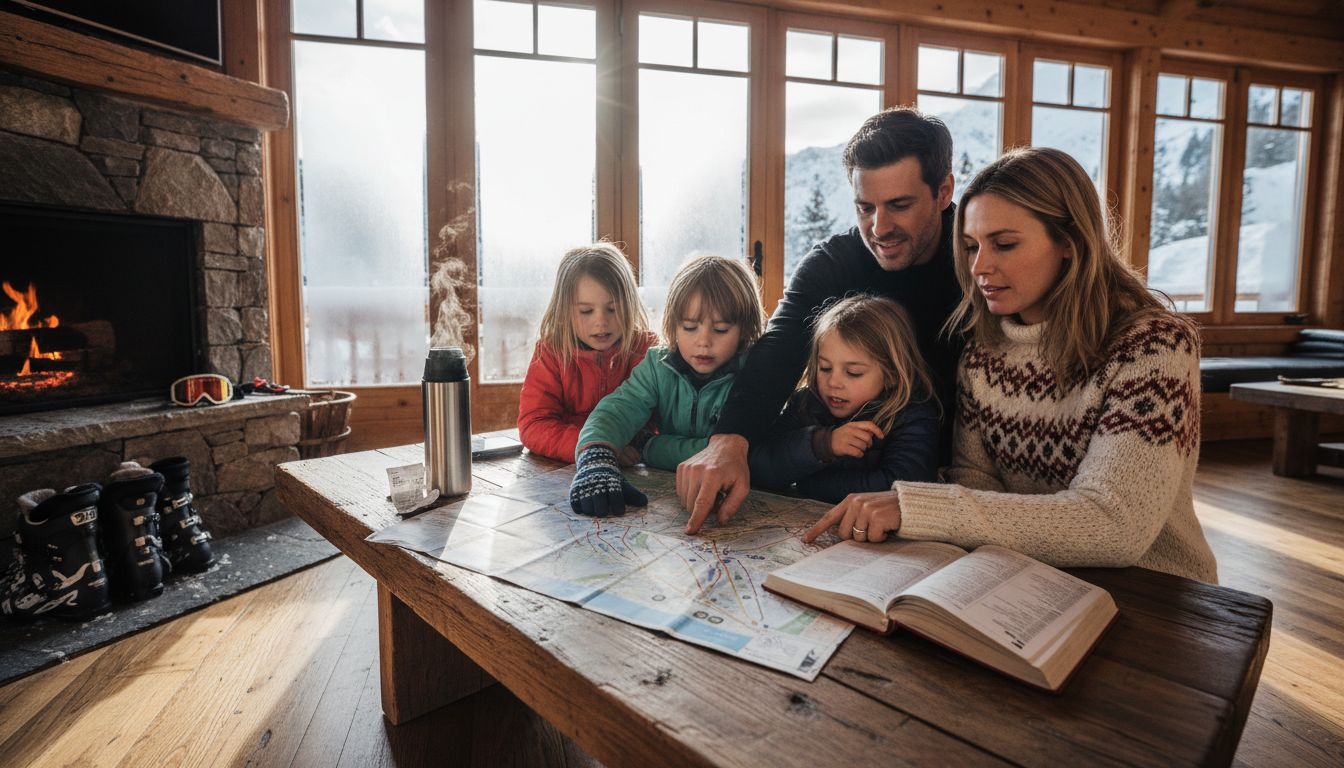
Planning a ski holiday with your family can be an exciting yet overwhelming task. There are many details to consider, from choosing the right resort in the Alps to sticking to a family budget and arranging smooth airport transfers. Missing just one step can lead to unnecessary stress or unexpected costs during your trip.
This guide brings together practical steps that will transform how you organise your next alpine adventure. You will find ways to match the perfect ski resort to your family’s needs, manage expenses confidently, and enjoy a seamless holiday from arrival to snow-capped slopes.
Get ready to uncover simple but powerful actions that make your ski holiday enjoyable, affordable, and truly memorable.
Table of Contents
Quick Overview
Takeaway | Explanation |
1. Choose the Right Ski Resort | Research various resorts based on snow quality, terrain, and amenities to find your perfect destination. |
2. Establish a Realistic Budget | Plan your expenses meticulously, including accommodation, lift passes, and emergency funds to avoid financial stress. |
3. Book Airport Transfers Early | Secure your airport transfers 4-8 weeks before travel to guarantee availability and reduce travel day stress. |
4. Prioritise Slope-Proximate Accommodation | Staying close to the slopes enhances convenience and maximises skiing time for your family. |
5. Prepare a Flexible Itinerary | Design an adaptable itinerary that includes various activities and rest periods to suit everyone’s preferences. |
1. Research and Choose the Right Ski Resort
Selecting the perfect ski resort is the cornerstone of an unforgettable alpine holiday. Your ideal destination depends on multiple factors that go far beyond simply finding snow-covered slopes.
The ski resort landscape offers remarkable variety, with each location presenting unique characteristics tailored to different skill levels and preferences. Ski resorts in the Alps range from beginner-friendly areas to challenging terrain for advanced skiers.
When researching potential ski destinations, consider these critical elements:
Snow Quality: Check historical snowfall records and resort altitude
Terrain Difficulty: Assess slope ratings matching your skiing expertise
Resort Infrastructure: Evaluate lift systems, ski school quality, and amenities
Accessibility: Examine transfer options and proximity to airports
Accommodation Options: Review available lodging ranging from chalets to hotels
Families especially should prioritise resorts with comprehensive facilities. Look for destinations offering:
Children’s ski zones
Ski schools with professional instructors
Additional non-skiing activities
Safe, well-maintained slopes
Accessible medical facilities
Thorough research transforms an ordinary ski trip into an extraordinary alpine adventure.
Top tip: Consider using specialised ski resort comparison websites and forums to gather first-hand insights from experienced travellers.
2. Set a Realistic Budget for Your Family
Ski holidays can quickly become financially overwhelming without careful planning. Establishing a comprehensive financial roadmap is crucial for ensuring an enjoyable and stress-free alpine adventure.
A well-structured family ski trip budget requires meticulous attention to multiple expense categories. Creating a strategic budget plan helps families anticipate and manage potential financial challenges.
Key budget considerations include:
Accommodation costs
Transportation expenses
Equipment rental or purchase
Ski pass prices
Food and dining
Lessons and additional activities
Emergency contingency funds
Breakdown of typical ski holiday expenses:
Lift passes (30-40% of total budget)
Accommodation (25-35% of total budget)
Equipment rental (10-15% of total budget)
Food and beverages (15-20% of total budget)
Miscellaneous expenses (5-10% of total budget)
Effective budgeting transforms potential financial stress into a manageable, enjoyable family experience.
When planning your budget, consider cost-saving strategies such as:
Booking during off-peak seasons
Purchasing multi-day lift passes
Bringing packed lunches
Renting equipment in advance online
Sharing accommodation with another family
Top tip: Create a dedicated spreadsheet tracking every potential expense and include a 10-15% buffer for unexpected costs to prevent financial surprises.
3. Book Private Airport Transfers Early
Timely airport transfer booking can transform your ski holiday from potentially stressful to supremely smooth. Securing your transportation in advance eliminates last-minute logistical headaches and ensures a relaxed start to your alpine adventure.
The benefits of early private transfer booking extend far beyond simple convenience. Airport transfer planning requires strategic thinking to navigate peak season complexities and ensure seamless travel experiences.
Key advantages of booking early include:
Guaranteed vehicle availability
Potential cost savings
Precise scheduling around flight times
Reduced travel day stress
Personalised transport options
Recommended early booking steps:
Confirm exact flight arrival times
Research transfer providers specialising in ski routes
Compare pricing and vehicle options
Check cancellation and flexibility policies
Secure booking with detailed passenger information
Early airport transfer arrangements are the silent architects of a perfect ski holiday.
When selecting a transfer service prioritise providers offering:
Experienced alpine drivers
Modern, well-maintained vehicles
Flexible booking conditions
Child seat availability
Fixed pricing
Optimal Booking Window: Aim to secure transfers 4-8 weeks before your ski trip to ensure best availability and pricing.
Top tip: Create a dedicated travel folder containing all transfer confirmations and contact details to streamline your journey.
4. Plan Accommodation Close to the Slopes
Choosing the right accommodation can make or break your ski holiday experience. Strategic lodging near ski slopes transforms your alpine adventure from ordinary to extraordinary.
Ski resort accommodation planning requires careful consideration of location convenience and comfort factors that directly impact your family’s enjoyment.
Benefits of slope-adjacent accommodation include:
Minimal morning transit time
Reduced equipment carrying distance
Easier access for children and beginners
Quick return for mid-day breaks
Maximised skiing opportunities
Accommodation proximity considerations:
Walking distance to ski lifts
Direct ski run accessibility
Proximity to resort amenities
Views of ski terrain
Shuttle services availability
Proximity equals convenience when transforming ski holiday logistics.
Types of slope-side accommodation options:
Ski chalets
Mountain hotels
Ski-in ski-out apartments
Slope-facing lodges
Residences with direct lift access
Slope Proximity Ranking:
Ski-in ski-out (most convenient)
100-200 metres from slopes (very convenient)
500 metres or less (acceptable)
Over 1 kilometre (less ideal)
Top tip: Request a resort trail map when booking to verify your accommodation’s precise slope proximity and potential walking distances.
5. Pack Smart for Winter Conditions
Successful ski holidays demand strategic packing that anticipates alpine weather unpredictability. Your clothing choices can make the difference between a comfortable adventure and a chilly misadventure.
Winter clothing preparation requires thoughtful layering and versatile gear selection to manage changing mountain temperatures.
Critical packing principles:
Choose moisture-wicking base layers
Prioritise thermal insulation
Select waterproof outer garments
Pack versatile accessories
Include emergency warmth items
Essential clothing layers:
Thermal base layer
Insulating mid-layer
Waterproof outer shell
Protective accessories
Backup clothing items
Intelligent packing transforms potential discomfort into alpine comfort.
Key accessories for winter ski trips:
Thermal socks
Waterproof gloves
Ski goggles
Neck warmer
Lightweight beanie
Hand warmers
Fabric Performance Ranking:
Merino wool (top performer)
Synthetic materials
Cotton (least recommended)
Recommended Packing Quantities:
3-4 base layer sets
2-3 mid-layer tops
1-2 waterproof jackets
Multiple thermal socks
Spare gloves
Top tip: Roll your clothing items instead of folding to maximise suitcase space and minimise wrinkles.
6. Arrange Lift Passes and Equipment Hire in Advance
Timely preparation can transform your ski holiday from potentially stressful to remarkably smooth. Securing lift passes and ski equipment well before departure eliminates unnecessary complications and allows more time for alpine enjoyment.
Ski equipment planning represents a critical component of seamless holiday logistics, ensuring your family is fully prepared before reaching the slopes.
Advantages of advance booking:
Guaranteed equipment availability
Potential early booking discounts
Reduced queuing time
Precise sizing and selection
Personalised equipment matching
Key steps for equipment and pass preparation:
Research resort equipment rental options
Check online booking platforms
Compare package deals
Select appropriate skill-level gear
Confirm reservation details
Advanced planning transforms potential logistical challenges into effortless mountain experiences.
Considerations when booking lift passes:
Individual vs family pass options
Duration of validity
Age-specific pricing
Multi-day discount opportunities
Flexible cancellation policies
Booking Timing Recommendations:
Peak season: 6-8 weeks in advance
Shoulder season: 4-6 weeks ahead
Off-peak: 2-4 weeks prior
Equipment Rental Hierarchy:
Professional shop rentals
Resort-based hire centres
Online pre-booking platforms
Last-minute resort rentals
Top tip: Create a digital folder storing all equipment and lift pass confirmations to streamline your resort check-in process.
7. Prepare a Flexible Itinerary for Family Fun
Successful ski holidays are about balancing structured plans with spontaneous adventure. A well-crafted itinerary allows families to maximise enjoyment while maintaining room for unexpected delights.
Family activity planning requires a delicate blend of structure and adaptability to accommodate diverse interests and energy levels.
Key principles of flexible family itineraries:
Include varied activity options
Plan rest periods
Allow personal exploration time
Consider individual family member preferences
Build in contingency time
Ideal itinerary composition:
Primary skiing activities
Alternative indoor options
Relaxation periods
Group and solo experiences
Backup entertainment plans
Flexibility transforms potential travel stress into memorable family moments.
Non-skiing activity suggestions:
Museum visits
Local cultural experiences
Nature walks
Indoor game sessions
Swimming pool time
Hot chocolate and board game evenings
Itinerary Adaptability Levels:
Highly structured
Moderately flexible
Completely adaptable
Age-Based Activity Allocation:
Children (0-6): Frequent breaks
Junior skiers (7-12): Mixed activities
Teenagers (13-17): More independence
Adults: Balanced experiences
Top tip: Create a shared digital document where family members can contribute and vote on potential activities to ensure everyone feels involved.
Below is a comprehensive table summarising the main recommendations for planning an exceptional family ski holiday.
Make Your Ski Trip Planning Perfect with Stress-Free Transfers
Planning a seamless ski holiday requires attention to many details such as budgeting, accommodation, and flexible itineraries as highlighted in the “7 Best Practices for Seamless Ski Trip Planning”. One of the biggest challenges is ensuring stress-free transport from the airport to your chosen ski resort so that you can start your alpine adventure smoothly without logistical hassles or last-minute worries. Avoid the common pitfalls of uncertain shuttle availability and time-consuming transfers by securing your private airport transfer well in advance.
Experience the ease of booking with Alpy, your reliable partner for private ski transfers in the Geneva region. With professional drivers, modern vehicles equipped with child seats, and flight monitoring for punctuality, you can trust your transportation to be safe and comfortable. Book your transfers early to enjoy personalised service, transparent pricing, and all-inclusive convenience that integrates seamlessly into your family ski holiday plans. Visit Alpy’s booking platform today and take the stress out of your travel logistics so you can focus on what truly matters—making unforgettable memories on the slopes.
Frequently Asked Questions
How do I choose the right ski resort for my family?
To choose the right ski resort, consider factors such as snow quality, terrain difficulty, and family-friendly amenities. Research resorts that offer children’s ski zones and professional ski schools to ensure a suitable environment for all skill levels.
What are essential budget considerations for a ski trip?
Key budget considerations include accommodation, transportation, equipment rental, lift passes, dining, and lessons. Break down your expenses and set aside a contingency fund of 10-15% to manage unexpected costs effectively.
When is the best time to book private airport transfers for a ski trip?
The best time to book private airport transfers is 4-8 weeks in advance of your ski trip. This ensures vehicle availability, potential cost savings, and a smoother experience.
What should I pack for my ski holiday?
Pack moisture-wicking base layers, thermal insulation, waterproof outer garments, and essential accessories like thermal socks and ski goggles. Aim to bring 3-4 sets of base layers and multiple thermal socks to stay comfortable throughout your trip.
How can I prepare for lift passes and equipment rental in advance?
To prepare for lift passes and equipment rental, research rental options, check online booking platforms, and compare package deals. Aim to secure reservations at least 6-8 weeks before your trip during peak seasons to ensure availability.
How can I create a flexible itinerary for our ski holiday?
Create a flexible itinerary by including varied activities, planning rest periods, and allowing personal exploration time. Make a list of primary skiing activities and alternative indoor options to adapt to changing preferences and energy levels.
Recommended
Comments