
Cost Efficiency of Group Ski Transfers Explained
Updated: Feb 18
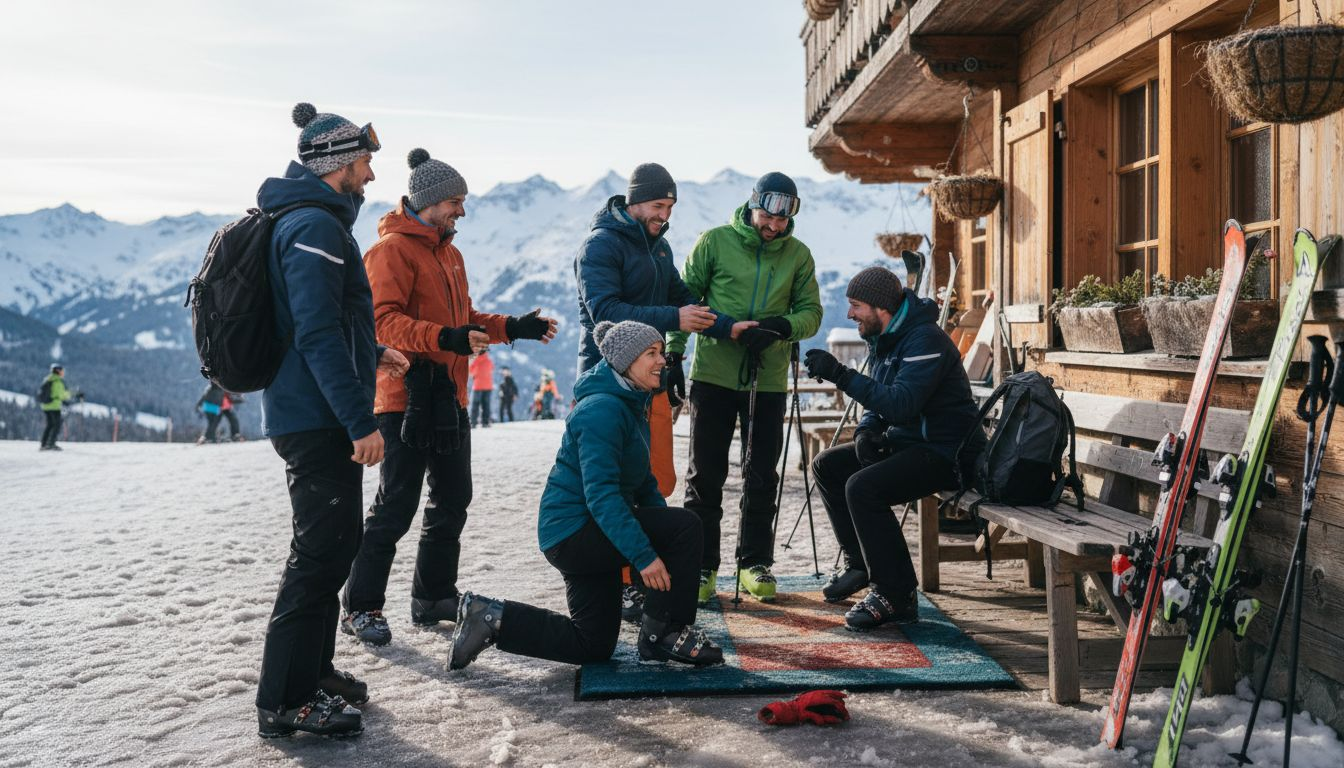
Finding ways to maximise value on a French Alps ski holiday can feel challenging for British families and groups eager to keep costs low without sacrificing comfort. The reality is, choosing cost-efficient ski transfers from Geneva Airport not only stretches your budget but also ensures smooth travel to premium resorts. This guide explains how sharing transfer expenses delivers financial savings and highlights what makes group transfers genuinely smart for winter travellers heading to the Alps.
Table of Contents
Key Takeaways
Point | Details |
Cost Efficiency | Group ski transfers minimise transportation expenses by sharing costs among multiple passengers, making them a budget-friendly option. |
Transfer Types | The choice between private and shared transfers significantly impacts comfort and cost, with families often preferring private for flexibility and convenience. |
Value of Group Transfers | Group transfers save money by distributing operational costs and allow for a more sustainable, eco-friendly approach to travel. |
Comprehensive Costs | Understanding the full cost structure, including hidden fees and potential delays, is essential for making informed transfer decisions. |
Defining Cost Efficiency in Group Ski Transfers
Cost efficiency in group ski transfers represents a strategic approach to minimising transportation expenses while maximising comfort and convenience during winter holiday travel. Unlike individual private transfers, group transfers leverage economies of scale to distribute fixed costs across multiple passengers, creating a more affordable transit solution for ski enthusiasts.
The core principles of cost efficiency in ski transfers involve several key considerations:
Sharing vehicle expenses across multiple passengers
Reducing per-person transportation costs
Utilising specialised vehicles designed for alpine conditions
Optimising route planning for maximum passenger convenience
Financial savings emerge from multiple interconnected factors. Multiple passengers sharing transfer costs enables budget-conscious travelers to access ski destinations more economically. Professional transport providers understand that spreading fixed expenses like vehicle maintenance, fuel, and driver wages across a larger group dramatically reduces individual passenger expenditure.
Beyond direct monetary savings, group transfers offer additional economic advantages. These include reduced carbon emissions per passenger, shared insurance costs, and more efficient use of specialised mountain transportation infrastructure. Complex transfer pricing involves multiple operational factors such as vehicle equipment, driver expertise, seasonal demand, and cross-country regulatory compliance.
Pro tip: Compare group transfer quotes from multiple providers and calculate the per-person cost to ensure you’re getting the most economical option for your ski holiday.
Transfer Types: Private Versus Shared
Choosing between private and shared ski transfers significantly impacts both travel experience and overall holiday budget. These two transfer options represent fundamentally different approaches to mountain transportation, each with distinct advantages tailored to specific traveller needs and preferences.
Private transfers offer unique benefits for specific traveller groups:
Complete scheduling flexibility
Direct, non-stop routes
Personalised service
Maximum comfort and privacy
Ideal for families with children
Easier transportation of ski equipment
Shared transfers, by contrast, provide alternative economic advantages. Ski transfer options differ dramatically in cost structure depending on group size, route complexity, and individual passenger requirements. Budget-conscious travelers often prefer shared shuttles, which distribute transportation expenses across multiple passengers, dramatically reducing individual travel costs.
The selection between private and shared transfers ultimately depends on several critical factors. Families with young children or groups seeking maximum convenience might prioritise private transfers, while solo travelers or smaller groups might find shared transfers more financially sensible. Professional ski transfer providers understand these nuanced traveller needs, designing services that balance comfort, efficiency, and affordability.
Pro tip: Calculate your per-person transfer cost across different transfer types to determine the most economical option for your specific travel group.
Here is a concise overview of private versus shared ski transfers to support your decision-making:
Transfer Type | Best For | Main Advantage | Typical Drawback |
Private Transfer | Families, large groups | Personalised, direct travel | Higher overall expense |
Shared Transfer | Solo travellers, small groups | Lower cost per passenger | Less flexible scheduling |
How Group Transfers Deliver Better Value
Group ski transfers represent a sophisticated approach to maximising transportation value, offering budget-conscious travelers an intelligent solution for alpine travel. Cost-effective transportation becomes achievable through strategic sharing of vehicle expenses, creating a win-win scenario for multiple passengers seeking affordable mountain access.
The primary mechanisms of value delivery in group transfers include:
Distributed fixed transportation costs
Per-seat pricing models
Reduced individual passenger expenses
Enhanced environmental sustainability
Efficient route planning
Shared professional driving resources
Group transfers significantly reduce individual travel expenses by spreading operational costs across multiple passengers. Professional transfer providers strategically design routes that minimise fuel consumption, driver time, and vehicle maintenance expenses while maximising passenger convenience.
The economic advantages extend beyond immediate financial savings. By consolidating passenger groups, these transfers create opportunities for social interaction, reduce individual carbon footprints, and provide a more sustainable approach to ski resort transportation. Smaller groups and solo travelers particularly benefit from these shared transit models, accessing professional transportation services at significantly reduced rates compared to private transfer options.

Pro tip: Request group transfer quotes for different passenger configurations to understand how group size impacts your per-person transportation costs.
Pricing Breakdown and Hidden Costs
Understanding the comprehensive cost structure of ski transfers requires more than a surface-level examination of initial pricing. Ski transfer expenses encompass a complex array of factors that extend far beyond the apparent base rate, demanding careful consideration from budget-conscious travelers.
Key components contributing to transfer pricing include:
Vehicle acquisition and maintenance costs
Specialized winter driving equipment
Professional driver wages
Fuel expenses
Insurance premiums
Cross-border transportation compliance
Seasonal demand fluctuations
Detailed ski transfer pricing involves multiple operational factors that travelers often overlook. These intricate cost considerations include specialised winter tyres, snow chains, vehicle adaptations for mountain terrain, and professional driver training specific to alpine conditions.
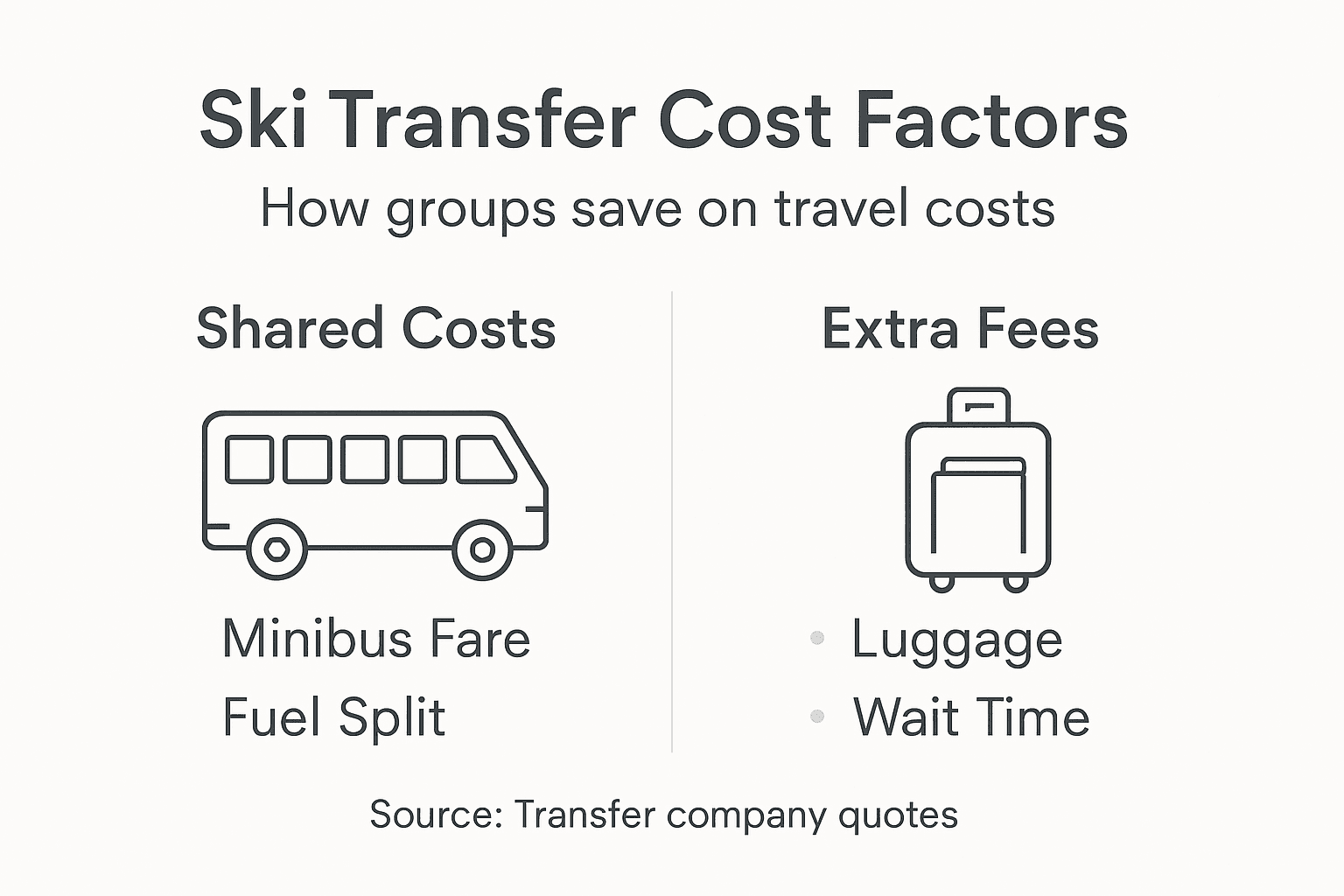
Beyond the direct monetary expenses, travelers must also factor in potential hidden time and convenience costs. Shared transfers might initially appear cheaper, but extended waiting periods, multiple passenger pickups, and inflexible scheduling can dramatically increase overall travel fatigue and indirect expenses. Smaller groups and solo travelers should carefully evaluate these nuanced financial implications before selecting a transfer option.
Pro tip: Request a comprehensive cost breakdown from your transfer provider, including potential additional fees for luggage, waiting times, and route modifications.
Comparing Transfers With Other Travel Modes
Travelers heading to Alpine ski destinations face multiple transportation options, each with distinct advantages and trade-offs. Ski transfer strategies require careful evaluation of comfort, convenience, cost, and overall travel experience to select the most suitable mode of transportation.
Comparative transportation options include:
Private ski transfers
Public train services
Regional bus routes
Shared shuttle services
Car rental options
Combination travel approaches
Private ski transfers offer unique travel advantages compared to traditional transportation methods. Unlike trains and buses with fixed schedules and multiple connections, private transfers provide direct, door-to-door service tailored specifically to passenger requirements.
Each transportation mode presents specific benefits and limitations. Train journeys might offer scenic routes and potential cost savings, while private transfers guarantee maximum flexibility and minimal travel complications. Bus routes provide budget-friendly alternatives but often involve longer travel times and less personalised service. The optimal choice depends on individual traveler priorities, group size, luggage requirements, and specific destination constraints.
Pro tip: Calculate total travel time, including connections and waiting periods, when comparing different transportation options for your ski holiday.
Compare the main Alpine travel modes at a glance:
Travel Mode | Flexibility Level | Cost Efficiency | Suitability |
Private Transfer | Maximum | Moderate to low | Families, large groups |
Shared Shuttle | Moderate | High | Budget and solo travellers |
Public Train | Low | High | Scenic, not door-to-door |
Car Rental | High | Variable | Adventurous, gear-heavy |
Maximising Cost Efficiency with Trusted Private Ski Transfers
Navigating the challenge of balancing cost efficiency and personalised comfort during your ski transfer is vital for a stress-free winter holiday. The article highlights key points such as optimising share of costs, understanding hidden expenses, and choosing the right transfer type to suit your group. At Alpy, we address these concerns by offering private ski transfers tailored to your schedule and needs, removing the uncertainties of shared transfers without compromising reliability or convenience.
Why settle for compromises when you can enjoy:
Transparent, all-inclusive pricing with no hidden costs
Professional drivers experienced in alpine conditions
Customised vehicle options including child seats and more
Flight monitoring and on-time guarantees
Take control of your ski transfer experience today by booking with Alpy. Don’t wait to secure your seat on a private transfer designed for comfort and peace of mind. Start your journey the right way and discover how easy it is to combine convenience, quality, and cost efficiency on your next trip to Geneva ski resorts.
Frequently Asked Questions
What is cost efficiency in group ski transfers?
Cost efficiency in group ski transfers refers to a strategy that minimises transportation expenses while maximising comfort and convenience by sharing vehicle costs among multiple passengers.
How do group ski transfers reduce individual transportation costs?
Group ski transfers leverage economies of scale, allowing multiple passengers to share fixed costs like vehicle maintenance, fuel, and driver wages, resulting in lower per-person expenses.
What factors should I consider when choosing between private and shared ski transfers?
Consider factors such as travel group size, comfort preferences, scheduling flexibility, and overall budget. Private transfers offer maximum comfort and direct routes, while shared transfers are more economical for smaller groups or solo travellers.
What hidden costs should I look out for when booking ski transfers?
Be aware of hidden costs such as fees for additional luggage, waiting times, and potential route modifications that may affect the overall price of ski transfers.
Recommended
Comments